World Cup Marketing 2026: Boots, Burgers & Billions
Written By: Lexi Rapnikas
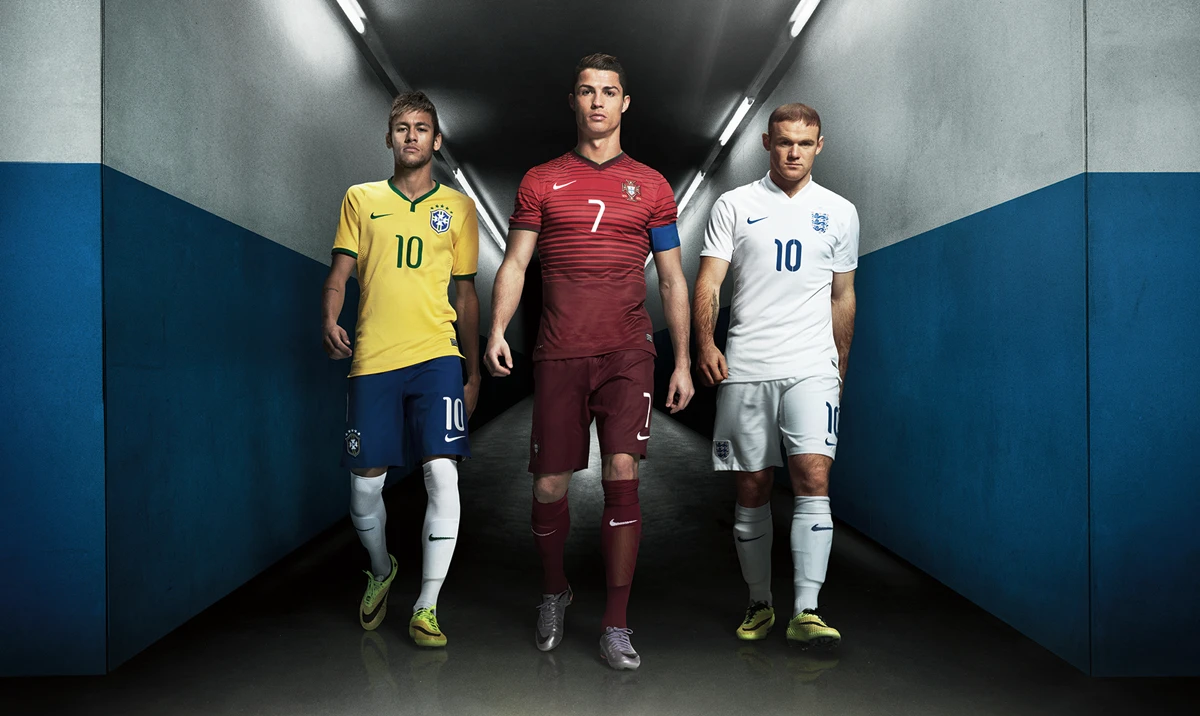
Campaign of the Week: Adidas vs Nike - The Age Old Rivalry
Nike and adidas are both running major marketing campaigns for the 2026 FIFA World Cup 2026™ - Canada, Mexico and the United States , reflecting their contrasting brand positions. Adidas, a long-time FIFA partner with deep soccer roots, leaned into nostalgia with "Backyard Legends," a five-minute film featuring Timothée Chalamet, Lamine Yamal, Jude Bellingham, and surprise appearances by Messi and Bad Bunny. Nike, the disruptive challenger, countered with "Rip the Script," a chaotic, Easter egg-filled six-minute short that has already topped 66 million YouTube views, dwarfing Adidas' 7 million, thanks to cameos from Mbappé, Kim Kardashian, Ted Lasso, and others. The rivalry plays out against a telling business backdrop: Adidas is riding record growth while Nike works through a sluggish turnaround, making this World Cup a meaningful inflection point for both brands.
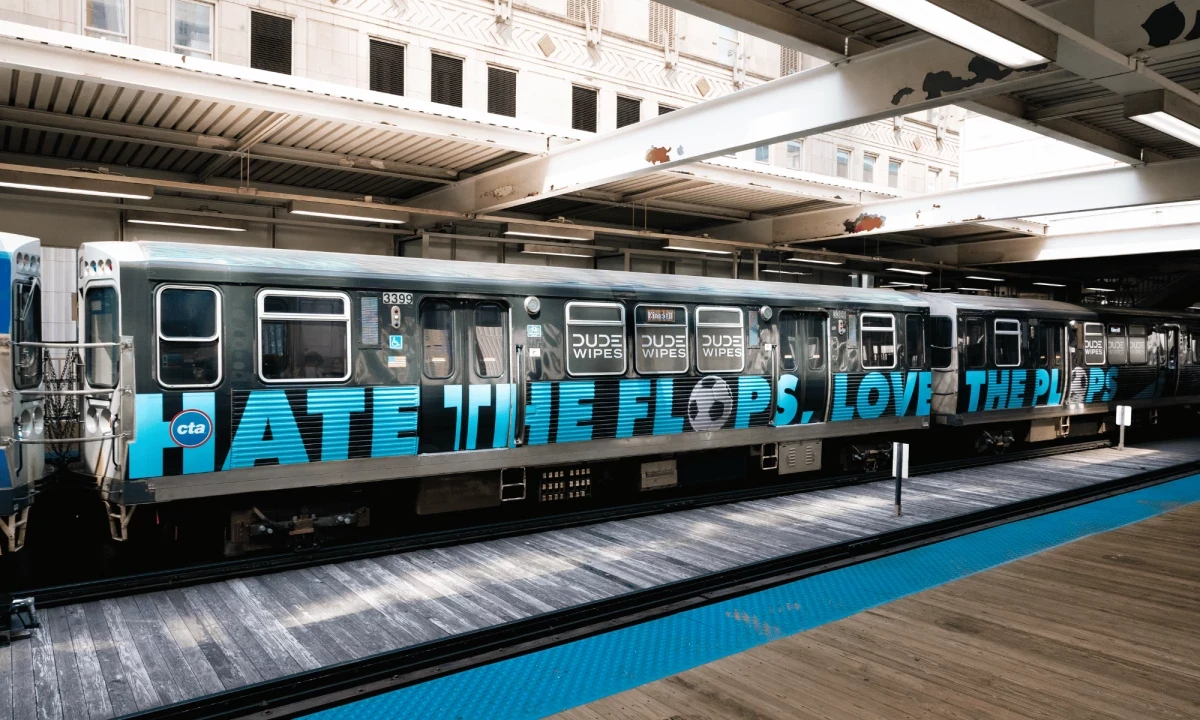
DUDE Wipes Takes Over Chicago
DUDE Wipes is running a clever, low-budget World Cup campaign by wrapping two Chicago Brown Line trains and plastering ads across 135 stations through July 19. Dubbed "Automatic Brown Card," the campaign riffs on soccer's yellow/red card system, inventing a "Brown Card" for toilet paper users, with the Brown Line's name doing most of the comedic heavy lifting. Rather than spending tens of millions on official FIFA sponsorship, the brand turned a transit buy into a punchline. The campaign works because the media placement, the soccer reference, and the brand's irreverent identity all click together naturally, and repeated daily exposure to the same commuters makes a modest local buy punch well above its weight.
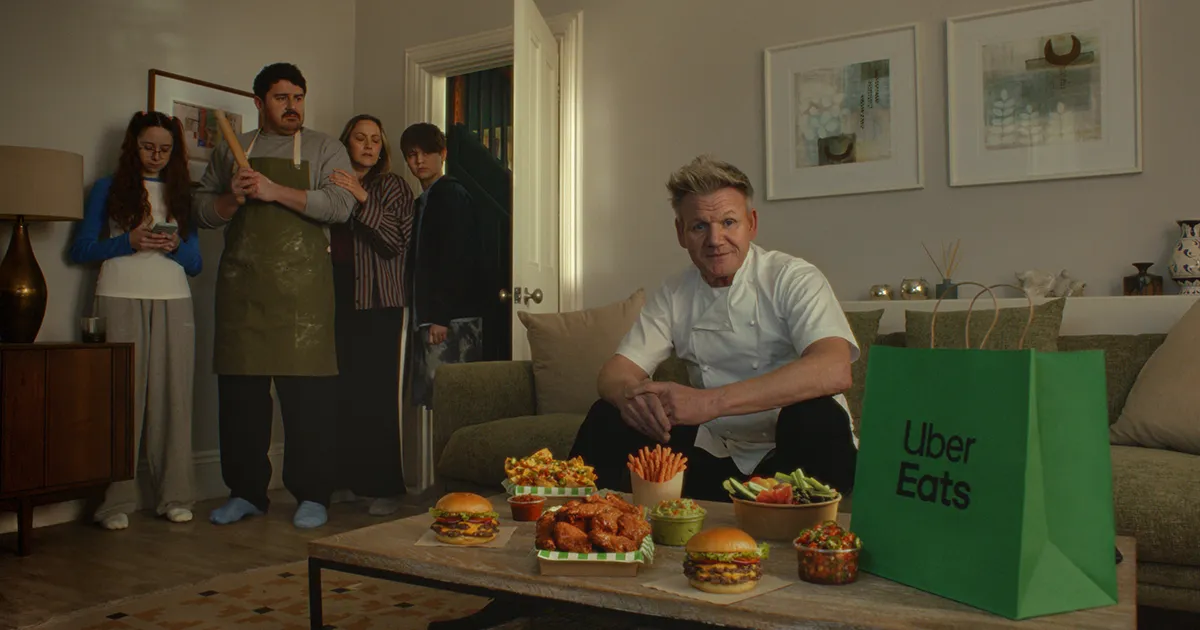
Gordon Ramsay Encourages Ordering in with Uber Eats
Uber Eats has launched its first global delivery campaign, "Who Could Cook At A Time Like This?", starring Gordon Ramsay as a hilariously passionate anti-cooking crusader during the FIFA World Cup. Playing on the real-life irony that Ramsay was once a youth footballer for Rangers FC before becoming the world's most famous chef, the campaign shows him barging into kitchens and bullying people into ordering delivery so they don't miss any match action. Created by Mother and directed by Jeff Low, the campaign runs for five weeks across TV, social, and out-of-home in 17 global markets. The concept's strength lies in its simplicity, one well-cast contradiction that needed little else to build a campaign around.

Coca Cola Wraps Up Their World Cup Trilogy
The Coca-Cola Company's "No Better Feeling" closes out its three-part "All the Feels" World Cup campaign with a cinematic film that captures the full emotional rollercoaster of being a football fan, anchored around the nail-biting tension of a VAR check. Featuring José Mourinho, J Balvin, and beloved commentators Peter Drury and Luis Omar Tapia alongside everyday supporters, the spot leans into the universal truth that football creates the same raw feelings for everyone. The campaign is backed by over 50 years of FIFA partnership, giving Coca-Cola a credibility and cultural familiarity no newcomer can buy. More than a single ad, the sequenced three-part platform mirrors how fans actually experience a tournament, from anticipation to reaction to peak intensity, making it one of the more strategically complete World Cup marketing efforts this cycle.
McDonald’s Special World Cup Meals
McDonald's is leaning into the FIFA World Cup 26 with a collectibles-driven campaign built around limited-time meals and nostalgic keepsakes. Starting June 4, customers can order a World Cup meal, Big Mac or McNuggets, that comes with one of nine collectible cups featuring soccer stars like Beckham, Ronaldinho, Pulisic, and Lamine Yamal, plus, naturally, Grimace. Soccer-themed Happy Meals follow on June 9, bundled with 23 collectible Squishmallows in tournament jerseys. The strategy is well-worn but effective: collectibles create repeat visit urgency, physical objects extend the campaign beyond the restaurant, and a secondary resale market gives the items staying power long after the tournament ends. With McDonald's having sponsored the World Cup since 1994, the campaign arrives with decades of consumer conditioning already doing much of the work.
